.svg)
.svg)
.svg)
The fastest practical route to a Florida small business loan is matching your need to the right product, SBA 7(a) for general purposes, SBA 504 for real estate or equipment, a microloan for smaller startup costs, then applying through an SBA-approved lender or local CDC. Start by pulling together three things today: two years of tax returns, three to six months of bank statements, and your FEIN. Florida CDCs can guide you from there.
TL;DR:
- Most Florida businesses should match their financing needs to the appropriate loan type, such as SBA 7(a) for general purposes or SBA 504 for real estate.
- Lenders evaluate credit scores, two years of consistent revenue, owner equity, and collateral, with typical personal credit score requirements around 680 for SBA or bank loans.
- Organized, complete documentation, including tax returns and financial statements, is crucial to speed up application approval and avoid delays.
- Online lenders offer faster funding within days but often at higher rates, while SBA 7(a) loans take 30 to 90 days, and 504 projects may extend even longer.
- Florida-specific programs like SSBCI and local CDCs often supplement SBA loans but require early inquiries to ensure proper financing combinations.
Getting a small business loan in Florida starts with matching your financing need to the right loan structure, not shopping lenders first SBA overview. A restaurant buying its building needs a different product than a landscaping company covering payroll during a slow season, and applying for the wrong type wastes weeks.
SBA 7(a) loans work as general-purpose financing, covering working capital, debt refinancing, or equipment, with amounts that can reach into the millions of dollars depending on the SBA’s program terms. Most Florida businesses use 7(a) when their need doesn’t fit neatly into a real estate or equipment purchase.
SBA 504 loans are built specifically for commercial real estate and heavy equipment with a useful life of ten years or more. A bank or nonbank lender covers roughly half the project, a Certified Development Company (CDC) covers up to 40%, and the borrower puts down as little as 10%. Terms run long and rates are fixed, which matters when you’re financing a 20 or 25 year asset.
Microloans, capped at $50,000, suit startups and newer businesses that need working capital or inventory financing but don’t yet qualify for bank-scale underwriting.
Beyond SBA programs, Florida businesses also use bank term loans, business lines of credit, equipment financing through vendors, and online lenders for speed when traditional approval timelines don’t fit the need.
Lenders evaluate four things: credit, time in business, revenue, and collateral, and the bar shifts depending on who’s lending. Traditional banks and SBA lenders in Florida commonly look for a personal credit score around 680, while online lenders often accept scores in the 600s in exchange for higher rates or shorter terms.
Pro Tip: Pull your credit report at least 60 days before applying. Errors take time to dispute, and a 20 point improvement can shift you into a better rate tier.
Most banks and SBA lenders want to see two years of operating history and consistent revenue, though SBA microloans and some 504 projects offer more flexibility for newer businesses with strong owner experience. Underwriters also weigh:
Before applying, check your credit reports for errors, confirm your business meets SBA size standards, and make sure your tax filings are current. Gaps in any of these routinely stall applications before they reach an underwriter.
Lenders process applications faster when documents arrive complete and organized the first time. Build this checklist before you contact anyone:
SBA-backed loans add their own paperwork. A 7(a) loan typically requires SBA Form 1919, while a 504 project requires Form 1244 along with a certified appraisal and, for real estate purchases, an environmental report.
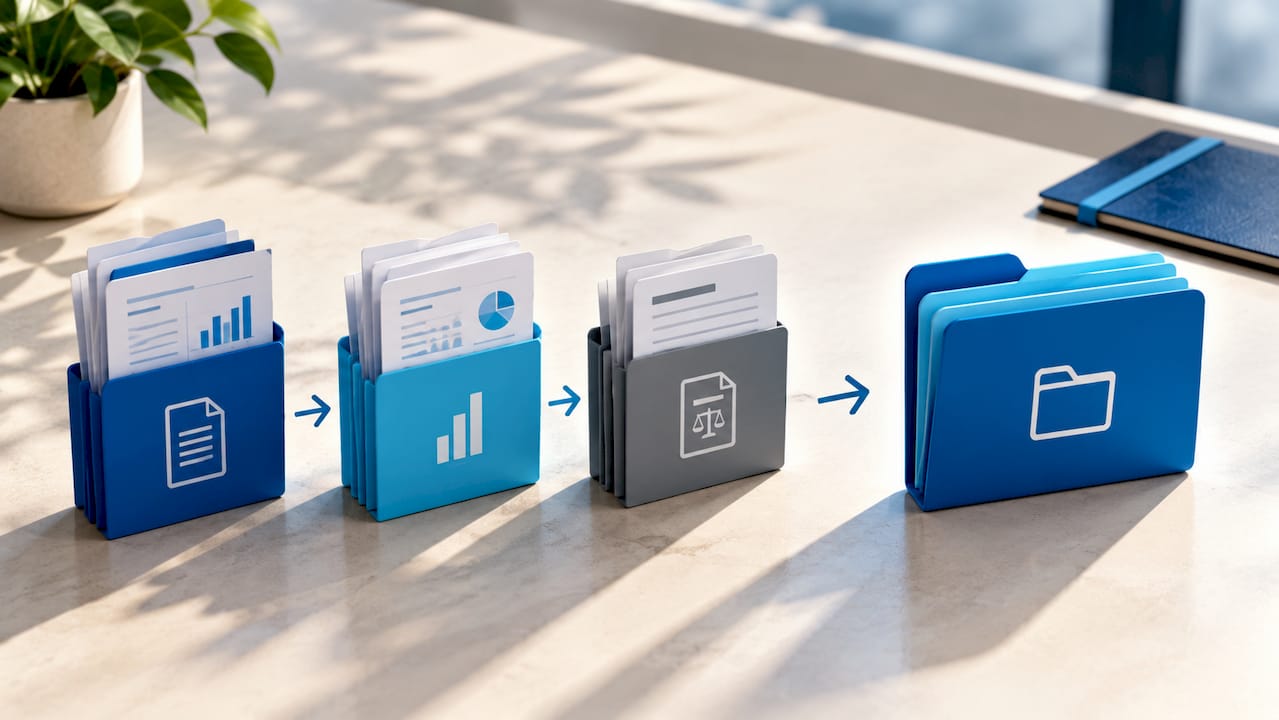
Pro Tip: Build a shared digital folder before you start applying, separated by category (tax returns, financials, legal documents). Lenders ask for the same items more than once across underwriting stages, and having them organized saves days.
SBA loans don’t come directly from the government. They’re delivered through approved banks, credit unions, and nonbank lenders, plus CDCs for 504 projects. The SBA’s Lender Match tool connects borrowers with participating lenders based on loan type and location, a useful starting point if you don’t already have a banking relationship.
For 504 loans specifically, a CDC structures the deal, packages the SBA portion, and handles much of the compliance work alongside your lender.
Florida’s State Small Business Credit Initiative (SSBCI) programs support lending through participating financial institutions, often filling gaps that conventional underwriting won’t cover alone. Florida First Capital Finance Corporation operates as a CDC partner for 504 projects statewide, and several counties run their own bridge loan or industrial revenue bond programs. In most cases, these state and local tools work alongside SBA financing rather than replacing it, so it’s worth asking your lender or CDC which combinations apply to your project.
Timelines vary sharply by lender type. Online lenders often fund within 24 to 72 hours, banks typically take days to a few weeks, and SBA 7(a) loans usually close in 30 to 90 days. SBA 504 projects run longer still, since appraisals, environmental reviews, and CDC packaging add steps, particularly for real estate purchases.
Costs scale with speed and risk. Faster financing generally means higher rates; SBA loans trade a longer timeline for lower rates, longer terms, and smaller down payments. Nearly all small business loans require a personal guarantee from owners with significant equity stake.
To strengthen your odds before applying:
Watch for lenders promising no credit check or guaranteed approval. Legitimate lenders always evaluate credit, revenue, and time in business, no exceptions, and offers that skip this step usually carry predatory terms.
A Certified Development Company handles the parts of an SBA 504 loan that trip up most first-time applicants: structuring the deal between your lender and the SBA portion, coordinating the debenture financing, and managing appraisal and environmental requirements for real estate purchases.
Fbdc has worked exclusively in SBA 504 lending for over 35 years, which means the paperwork that feels unfamiliar to a first-time borrower is routine to the team handling it. That experience shows up in practical terms: down payments as low as 10%, long-term fixed rates, and a process built around getting real estate and equipment projects funded without exhausting a business’s working capital. Florida manufacturers, medical practices, hospitality businesses, and contractors buying their own facilities tend to benefit most from this structure, since 504 financing is built for exactly that kind of long-term asset purchase. Compare it against SBA 7(a) financing to see which structure actually fits your project.
Three mistakes show up repeatedly: disorganized documents that stall underwriting, choosing the wrong loan type for the actual need, and revenue projections too optimistic to survive review. Fix all three by organizing paperwork early, matching product to purpose, and building conservative numbers. Getting a CDC or lender involved before you apply, not after a denial, shortens every timeline that follows.
— PHENYX
If your next step involves buying a building, expanding your facility, or financing heavy equipment, Fbdc offers a more direct path than a conventional bank loan, with down payments as low as 10% instead of the 20 to 30% many banks require, and fixed rates that hold steady for the life of the loan.
With over 35 years focused exclusively on SBA 504 lending, Fbdc’s team handles the appraisal coordination, environmental review, and debenture structuring that typically slow down first-time applicants, while walking you through a clear six-step process from application to funding. If you’re planning a real estate purchase or equipment upgrade for your Florida business, start by reviewing the SBA 504 loan program details and reaching out to discuss your project. Businesses that need smaller amounts can also look at Fbdc’s direct lending program for loans between $50,000 and $400,000. If you’re relocating as part of a real estate purchase, planning your commercial move early keeps that transition from becoming a separate headache.
This article is general information, not a substitute for advice from a qualified financial advisor. Consult a qualified financial professional about your own circumstances before acting on anything here.
Monthly payments depend heavily on rate and term, but a $50,000 SBA microloan or bank term loan over 5 to 7 years typically runs several hundred to just over a thousand dollars monthly depending on the interest rate. Use a 504 loan calculator to model actual numbers for your project size and rate.
Difficulty depends on the lender type: banks and SBA loans require solid credit (often around 680), two years of financials, and complete documentation, while online lenders accept more risk in exchange for higher rates. Businesses that organize their paperwork and match the right loan product to their need generally move through underwriting faster.
Qualification hinges on credit score, time in business, revenue consistency, and available collateral, with SBA and bank lenders holding the strictest standards. Startups without two years of history often qualify more easily for microloans or online lending than for conventional bank financing.
Yes, LLCs are eligible for SBA loans, bank financing, and CDC-backed 504 loans as long as the business is for-profit and meets standard eligibility and documentation requirements. Lenders will still require a personal guarantee from owners holding 20% or more equity, regardless of the LLC structure.

