.svg)
.svg)
.svg)

Ownership or a signed lease is not enough. You must show permanent, functional business use of that space, documented to the lender’s satisfaction and backed by the U.S. Small Business Administration and its federal regulations.
TL;DR:
- Borrowers must demonstrate permanent, functional business use of the property with documented occupancy plans, especially for new construction or existing buildings.
- Lenders verify occupancy through floor plans, lease agreements, photos, and utility records, not just borrower assertions, to ensure compliance.
- Interior improvements for leased spaces are ineligible costs, and properties bought as investment rentals generally do not qualify unless the business occupies enough space.
- Existing tenants require careful review of lease terms and occupancy percentages to meet the 51% or 60% criteria before purchase.
- Early review of occupancy documentation with lenders like Fbdc can prevent delays and ensure the property complies with SBA 504 occupancy requirements.
The SBA built the 504 program to finance real estate for businesses that actually run their operations out of the building, not for owners who plan to rent it out. That distinction shapes every rule that follows.
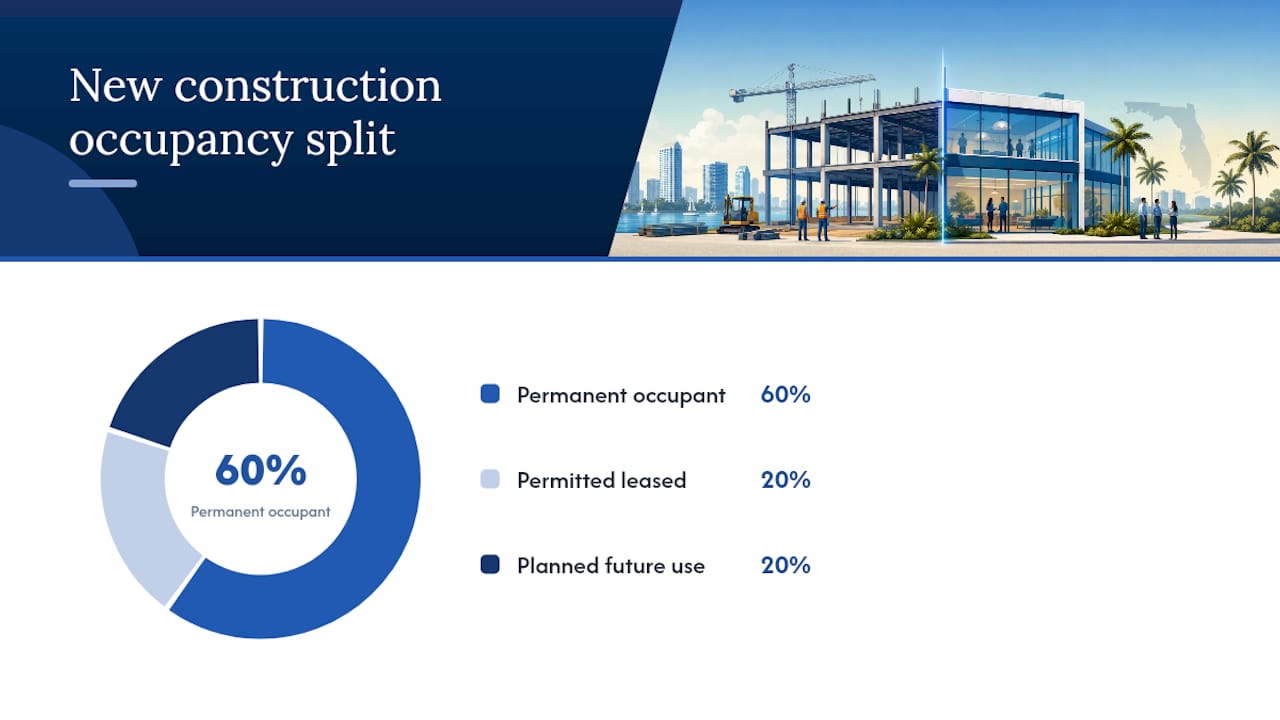
Under SBA guidance, 504 financing is meant for owner-occupied business assets, and a property purchased primarily to generate rental income generally will not qualify. The regulation defines “rentable property” as the space in a building that can reasonably be occupied for business purposes, and “permanent occupation” means the borrower’s own operating business, not a tenant, is using that space on an ongoing basis.
The occupancy percentage depends on what you’re financing:
That last point trips up more applicants than any other. A dentist buying a building with an empty second floor she intends to lease out forever, with no plan to grow into it, is financing a rental property with 504 money. That’s not what the program is designed to do, and lenders will flag it during underwriting.
Lenders don’t take your word for occupancy. They verify it, and they verify it with paper.
Occupancy math starts with square footage. Total the rentable square footage of the building, then calculate what percentage your operating business actually uses for its functions, whether that’s retail floor space, a warehouse, treatment rooms, or office suites. Common areas like lobbies and shared restrooms are typically prorated across all tenants rather than counted toward either party.
Verification usually follows this sequence:
If you’re financing through an Eligible Passive Company (EPC) that holds title while an Operating Company (OC) runs the business, the OC still has to satisfy the occupancy test as if it owned the property directly. The EPC needs a lease or management agreement with the OC in place before closing, and both entities go through the same disclosure process.
Pro Tip: Pull your floor plans and any existing leases before you talk to a lender. Reviewers move faster when they can see occupancy math on paper instead of reconstructing it from a walkthrough.
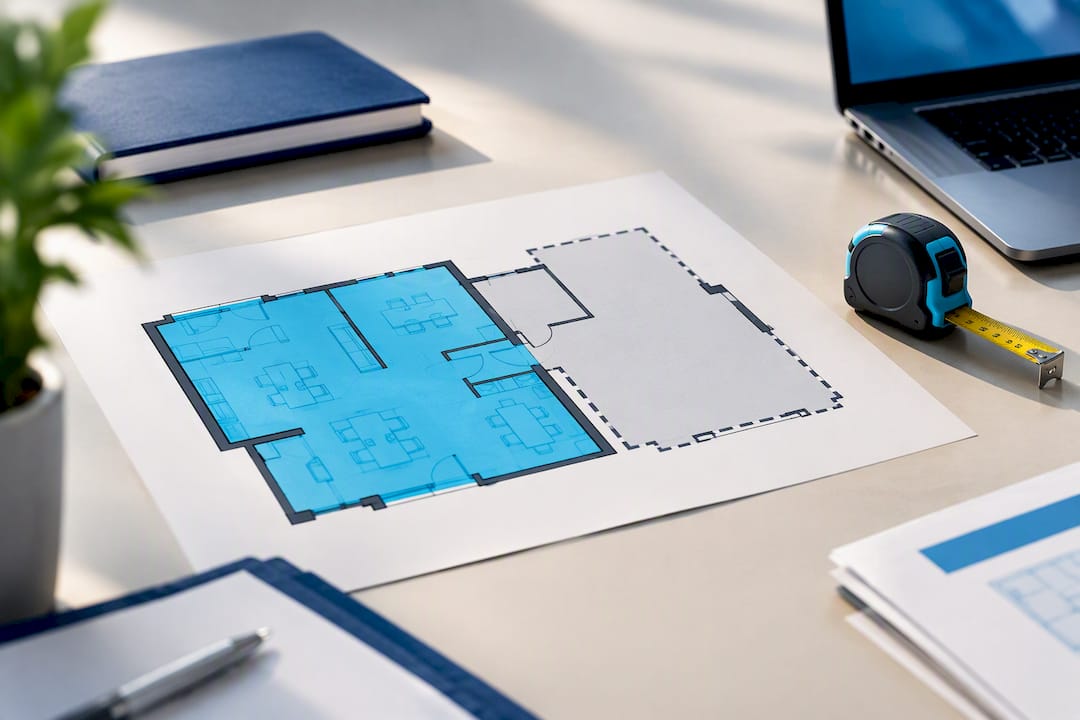
Leasing space to another business is allowed within the occupancy limits, but the money you spend improving that leased space is a different story.
Under 13 CFR 120.871, the cost of interior finishing for space leased to another business is not an eligible project cost under the 504 program. That means:
Lenders exclude those costs from the project-eligible calculation before they even run your occupancy numbers, and folding them in anyway just slows underwriting down.
Real-world deals rarely arrive occupancy-clean, and lenders expect that. Here’s how the common scenarios usually play out.
Underwriting moves faster when your paperwork answers the occupancy question before anyone asks it.
Our complete guide to SBA 504 loan requirements walks through the fuller document checklist if you want to prepare in advance.
Lenders with extensive experience in small business real estate financing often run occupancy checks before an application reaches underwriting, reviewing floor plans, leases, and projections up front so surprises don’t surface later. Reach out early, and expect a straight answer on where your numbers stand.
— PHENYX
Fbdc is a direct path to SBA 504 financing for Florida business owners who want a straight answer on occupancy before they commit to a purchase contract, not a runaround after the fact. With down payments starting as low as 10% and long-term fixed rates, Fbdc’s SBA 504 Loan Program is built for owner-occupied real estate deals just like the ones covered here.
If your deal includes existing tenants, a phased move-in, or an EPC/OC structure, get those occupancy numbers reviewed before you sign anything. Fbdc’s team can walk through your floor plans and lease documents and tell you where you stand, and if refinancing is part of your plan, the SBA 504 Refinance Program page covers how occupancy rules apply there too. Request a pre-application checklist or schedule a call with a loan officer to find out if your property qualifies.
This article is general information, not a substitute for advice from a qualified financial advisor. Consult a qualified financial professional about your own circumstances before acting on anything here.
You need to occupy at least 51% of an existing building’s rentable property, or at least 60% for new construction with a documented plan to occupy the rest over time. Ownership alone doesn’t satisfy the requirement. Your business has to actually operate from the space.
Yes, within limits. Existing buildings can lease up to 49% of rentable space, while new construction allows up to 20% permanent leasing as long as you occupy at least 60% yourself, per 13 CFR 120.131.
No. Interior finishing for space leased to another business is not an eligible project cost under 13 CFR 120.871, so tenant improvements need a separate funding source outside your 504 project budget.
You’ll need to document existing lease terms and confirm your own occupied space still meets the 51% or 60% threshold. If it doesn’t, you may need to renegotiate lease terms or reclaim space before closing.
Yes. Fbdc reviews floor plans, leases, and occupancy plans early in the process to flag compliance issues before they become closing delays. You can start that review through the SBA 504 Loan Program page.

