.svg)
.svg)
.svg)
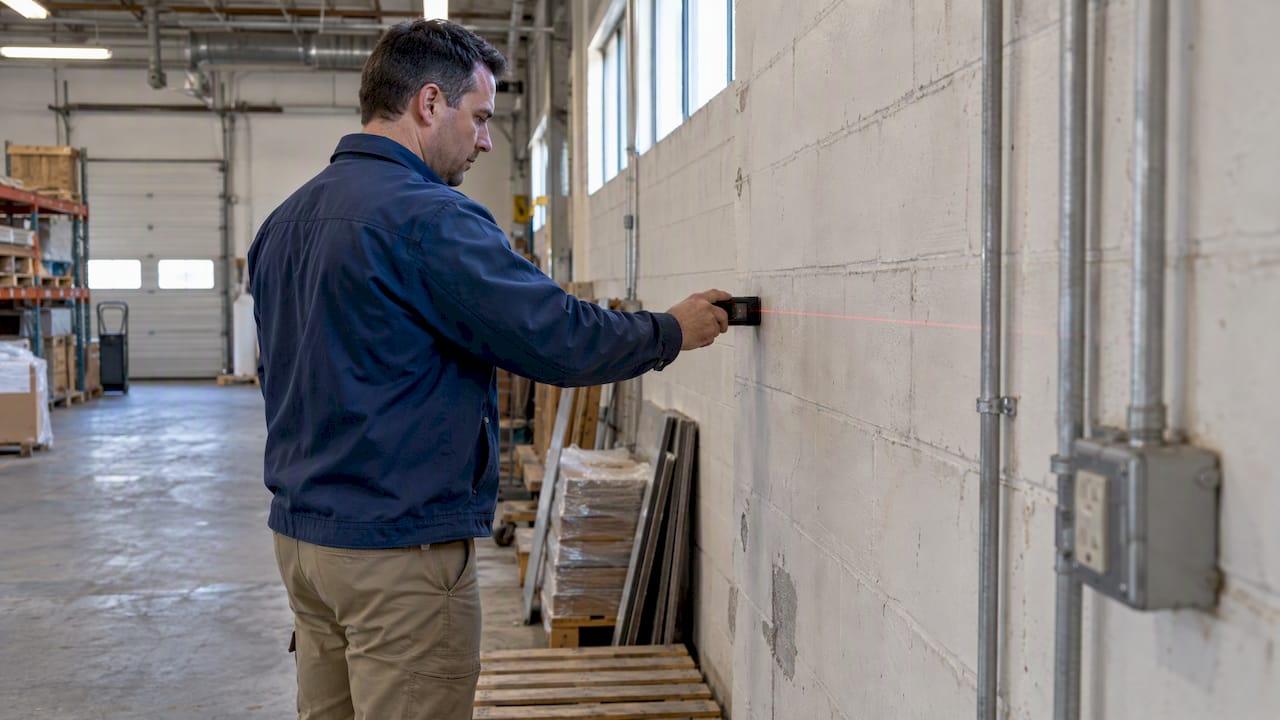
An SBA 504 loan requires a real estate appraisal when the estimated value of the project property exceeds the $500,000 Threshold, and an evaluation generally suffices below it unless a specific exception applies. Appraisals must also state whether they reflect “as-is” or “as-complete” value, and machinery or equipment pledged as collateral needs its own separate appraisal. Your first move is to confirm the estimated property value, then order the correct report and start gathering Exhibit 15 and the related SBA forms.
TL;DR:
- Below $500,000, appraisal exceptions include related party transactions, seller carryback notes, lender owned foreclosed property, land held two years, and SBA or CDC discretion.
- Construction, expansion, or major renovation calls for an appraisal of value after completion; name the lender and CDC as intended users and confirm certification requirements.
- Eligible equipment generally needs ten years of useful life and a separate appraisal; specialized machinery calls for replacement cost, while comparable sales support market value.
- Order the appraisal once the contract or construction scope is final, and submit a complete Exhibit 15 package with photos, site plans, and equipment details.
The $500,000 Threshold did not originate from the SBA itself. Federal Banking Regulators set that figure, and the SBA adopted it through the appraisal requirements notice that followed the ACE Act and related harmonization rules. When a project property’s estimated value sits above that number, the CDC must obtain a full appraisal before closing. When it sits at or below $500,000, an evaluation is typically acceptable, but several exceptions still push the file back into appraisal territory.
The notice identifies the situations where an appraisal is required regardless of value:
Outside those exceptions, lenders and CDCs can rely on an evaluation that follows interagency guidance for real estate transactions. The CDC still carries the responsibility to document why an appraisal was not necessary and to keep that reasoning in the loan file for SBA review.
Ordering the wrong valuation basis is one of the most common sources of rework on a 504 file. An “as-is” appraisal values the property in its current condition, which fits straightforward purchases where no construction or renovation is planned. An “as-complete” appraisal projects the value once planned construction or improvements are finished, and it applies to ground-up builds, expansions, and major renovations funded through the loan.
Getting the scope of work right at the start avoids a second report later:
A clear scope-of-work memo to the appraiser, written before the engagement begins, saves weeks later if the SBA appraisal reviewer flags a mismatch.
Real estate and equipment are never valued in the same report, and lenders should order them as two distinct engagements. Equipment eligible for 504 financing generally needs a useful life of ten years or more, and an appraisal helps confirm that the machinery supports the collateral position the loan relies on.
The resulting figure feeds directly into loan sizing. A conservative equipment value can shrink the collateral coverage ratio enough to change the down payment required or the overall project structure.
The lender or the CDC typically orders the appraisal, and both should appear as named intended users so the report satisfies every reviewer in the chain. Appraisal approval runs alongside, not after, the bank’s credit approval and the SBA’s own appraisal review, and all three need to clear before the file moves to closing.
Pro Tip: Ask your CDC to confirm the appraiser’s intended-user language in writing before the report is finalized, not after it’s delivered.
Over 35 years of originating SBA 504 loans, we built our CDC Lender Checklist around the documents that most often cause appraisal delays. Borrowers who upload these items early tend to move faster through review:
A complete package at the outset is what makes a 60 to 90 day close realistic rather than aspirational.

The pattern we see most often isn’t a bad appraisal. It’s the wrong one: an as-is report ordered for a construction project, or a value opinion missing the intended-user language a reviewer needs. Related-party deals that go undisclosed until late in underwriting cause the same problem in a different form.
Borrowers avoid most of this by confirming the valuation basis and intended users before the engagement letter goes out, and by flagging any related-party or seller-financing wrinkle on day one. CDCs that loop the SBA appraisal reviewer in early, rather than after a report comes back, get concurrence faster.
— PHENYX
We help borrowers move from appraisal engagement to closing smoothly. Our SBA 504 Loan Program covers real estate and equipment purchases, our SBA 504 Refinance Program supports refinance transactions where a fresh appraisal is needed, and our 504 Velocity Bridge Loan Program covers interim funding when appraisal or closing timing creates a gap.
Start your review on our SBA 504 Loan Program page today.
SBA 504 debenture rates change with each monthly funding and are published by the SBA and CDCs at the time of sale, so there is no single fixed rate to quote. Check with your CDC for the current month’s rate before locking project costs.
Qualifying requires meeting SBA size standards, occupancy rules, and a minimum down payment, which makes the process more structured than a conventional loan but not inaccessible to most profitable small businesses. Working with an experienced CDC and arriving with a complete document package, including the appraisal exhibits, significantly smooths approval.
The 504 structure does not work like a standard guaranteed loan. It splits financing between a conventional lender, typically around 50% of the project, and a CDC debenture backed by the SBA, with the borrower contributing the remainder as a down payment.
Borrowers commonly need to contribute at least 10% of total project costs as a down payment, with that figure rising to around 15% for a new business or a special-purpose property, and higher still when both apply. This is why the combined contribution sometimes approaches 20%, though the exact requirement depends on the specific project.

