


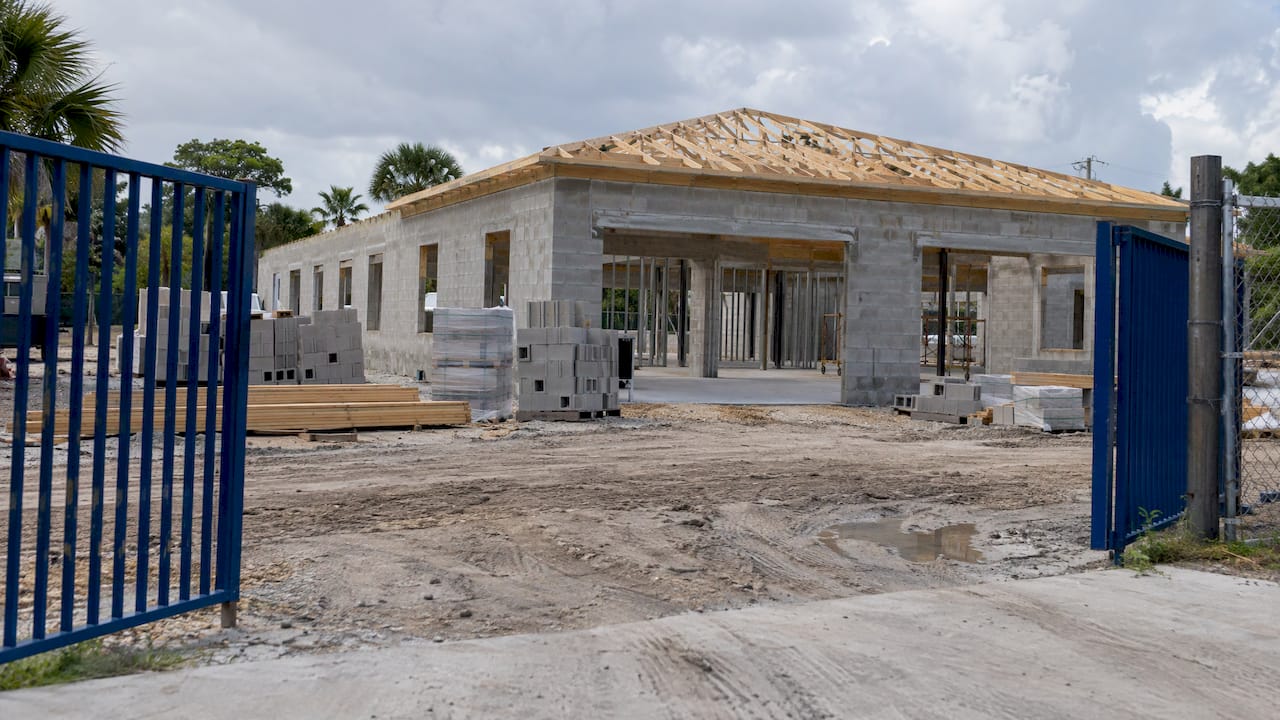
Yes, an SBA 504 loan can finance construction of your own commercial space in Florida. The SBA says 504 loans cover the purchase, construction or renovation of buildings or land, with long-term, fixed-rate financing. For a qualifying for-profit business that will occupy the building, it is one of the most capital-efficient ways to build. Down payments can be as low as 10%, and the long-term rate is fixed.
This guide explains what a 504 construction project looks like from first sketch to permanent loan. It covers what the loan pays for, how the bank and CDC pieces fit together, what you need to know about occupancy, and how to avoid the timing mistakes that add cost.
There is no separate product called an “SBA construction loan.” Ground-up construction is financed through the regular 504 program, which the SBA describes as long-term, fixed-rate financing for major fixed assets that support growth and job creation. Construction is one of the listed uses, alongside buying or renovating existing buildings and land.
The 504 structure has two lenders:
The Office of the Comptroller of the Currency explains that this dual-lender arrangement provides take-out financing: banks often provide the interim or construction-phase loan, which then transitions to the permanent SBA 504 debenture once the project is complete.
In practice, you borrow in two stages. During construction, the bank funds draws as work progresses and you pay interest on the amount drawn. At completion, the 504 debenture is funded and the bank’s loan is replaced by permanent financing. Your long-term payment is then split between the bank’s first lien and the fixed-rate CDC portion.
A construction project has more costs than lumber and concrete. Federal rules define which are eligible. Under 13 CFR § 120.882, eligible project costs include professional fees that are directly attributable and essential to the project, such as title insurance, appraisals and legal fees related to zoning.
For a typical Florida build, that generally means the following, subject to your CDC’s review of the final budget:
If you already own the land, ask your CDC how its value can be counted toward your equity contribution. That can reduce the cash you need at closing.
The SBA states that 504 proceeds cannot be used for working capital, inventory, or investment in rental real estate for passive income. If you need cash for payroll or stock once you move in, plan a separate source. If you hope to build more space than you need and lease out the extra, ask your CDC how much of the building you must occupy. Our article on owner-occupied versus investment property walks through how lenders view that line.
The SBA says eligible businesses must be for-profit U.S. operating businesses that meet SBA size standards and other eligibility requirements, including the ability to repay. In short, the program is built for businesses that will own and use their space, not for developers or investors.
For Florida owners, four questions come up first:
Our guide to four eligibility checks before you approach a CDC covers each in more detail. Startups and special-purpose properties, such as a facility built for one narrow use, can face added requirements, including a larger down payment. Your CDC will tell you early whether your project falls into that group.
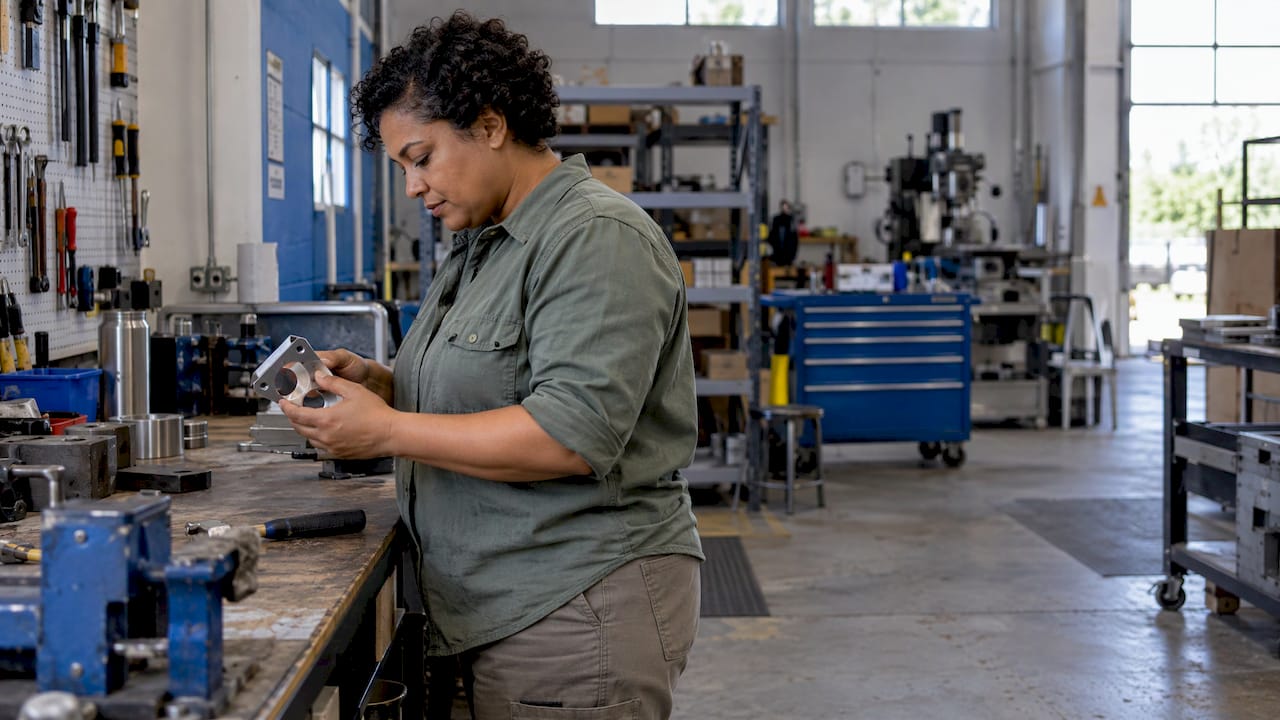
Occupancy is where construction differs most from buying an existing building. The 504 program is meant for businesses using the space, so you must occupy a required share of the building. Industry sources describe a 51% minimum for existing buildings and a higher share for some property types, and new construction rules are generally stricter than those for existing buildings, often with a timeline for growing into the space.
Because the exact percentages and deadlines depend on the project type and the current SBA rules, confirm them with your CDC before you finalize the design. Three design questions are worth settling early:
The cost of a mistake here is high. An oversized building can make a project ineligible, and changing plans after permits are pulled is expensive.
As a framework, the bank typically holds the largest share of the project, the CDC portion covers a substantial second share, and the borrower contributes the remainder. With FBDC, the borrower’s down payment can be as low as 10%. That compares favorably with conventional commercial loans, where lenders often ask for substantially more. Our comparison of SBA 504 and a conventional commercial mortgage lays out the differences side by side.
A few points on the equity:
Our page on the 10% down owner-occupied loan explains how the low-down-payment structure works in Florida.
People often ask about a 20% down payment rule. The program does not have one flat rule for every borrower. Down payment depends on the project and the borrower, and some cases, such as startups and special-purpose buildings, require more than the minimum. Ask your CDC to quote the figure for your specific project instead of relying on a general number.
The SBA’s page states a maximum 504 loan amount of $5.5 million. That limit applies to the SBA-backed portion, so the full project can be larger once the bank’s first lien is added.
On rates and terms:
Fees on a 504 loan include CDC processing and SBA-related charges. Our SBA 504 Loan Program page lists the approximate fees, and your CDC will give you a full closing cost estimate before you commit.
On a construction loan, time is money. Every extra week of construction or paperwork means more interim interest, and a delay between the end of construction and the funding of the debenture adds still more. For a worked example, read how to avoid a month of extra interim interest.
To keep the schedule tight:
FBDC aims to move quickly. See our overview on closing an SBA 504 loan in Florida in 60 to 90 days for what that timeline involves. Construction projects take longer than purchases, because the build itself has to be completed first.
Sometimes a project needs short-term money while the permanent 504 financing is arranged. FBDC offers the 504 Velocity Bridge Loan Program for 504 projects that need that bridge. Ask us whether it fits your project and timeline.
At FBDC we have more than 35 years of experience helping Florida small businesses finance real estate and equipment. In that time, the owners who get the most from a 504 are the ones who call us before the design is final, not after.
A building you own gives you control over your costs. A long-term fixed rate on the CDC portion means that part of your payment is predictable for decades, and a down payment as low as 10% leaves more of your cash for running the business. Those are the reasons we recommend the 504 to owner-occupants who want to build.
Our approach is simple: look at the project early, explain the structure in plain terms, and keep the process moving so you can focus on your business. We think a construction project should come with certainty, and that starts with the right conversation at the start.
PHENYX
If you plan to build, FBDC can help you test the project before you commit to land or a contractor. We work with for-profit Florida businesses on 504 loans for construction, purchase and refinance, and we offer VetLoan Advantage Plus for veteran-owned businesses.
To discuss your project, start on our SBA 504 Loan Program page or see SBA 504 loans anywhere in Florida. If you are still weighing other financing, our guide to commercial real estate financing options in Florida compares the main routes.
The 504 program is not designed as a land-holding loan. A lender will want to see a concrete plan to improve the land, so the project should be moving toward construction. Talk to your CDC about timing before you buy.
No. The program is for business use. The SBA says proceeds cannot be used for investment in rental real estate for passive income, so the building must be one your business will occupy.
Banks often provide the interim construction loan, which the permanent 504 debenture then takes out at completion, according to the OCC. Your CDC coordinates the two pieces with your bank.
The SBA lists a maximum 504 loan amount of $5.5 million. The total project can be larger because the bank’s first lien is in addition to that amount.

